Maltase Enzyme Solutions · application
Technical guidance for using maltase to convert maltose into yeast-accessible glucose in bakery fermentation, dough processing, and industrial bread production.
Request pricingOverview
Maltase helps bakery manufacturers convert maltose from flour, malt extract, syrups, or starch-derived ingredients into glucose that yeast can readily metabolize. In controlled dough systems, that conversion can support fermentation consistency, gas production, color development, and process predictability.
Maltase Enzyme Solutions supplies maltase for B2B bakery applications where enzyme behavior needs to be practical, measurable, and aligned with production realities: ingredient variability, dough temperature, fermentation time, proofing profile, and final bake conditions.
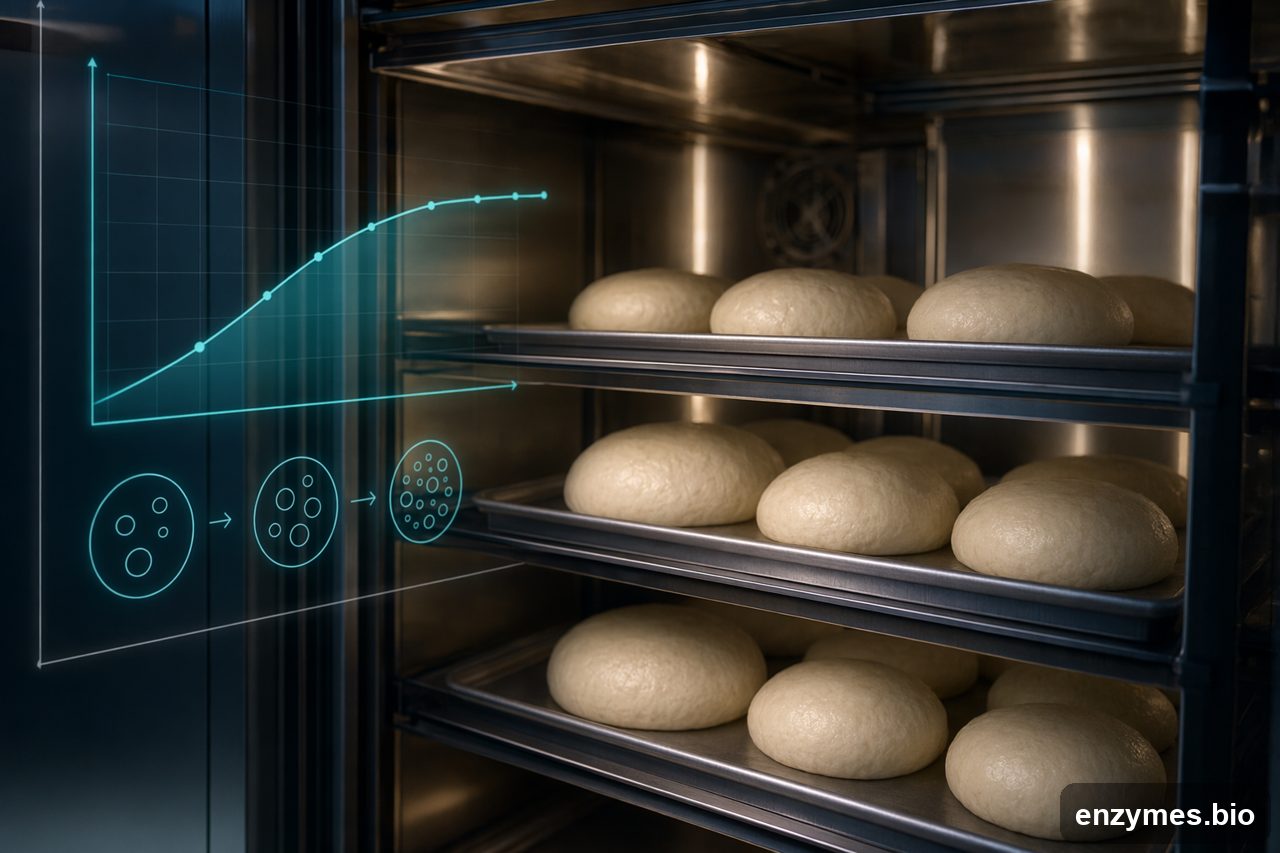
Wholesale and bulk maltase for manufacturers, ingredient blenders, distributors and resellers. Every order is quoted individually. Request a quote with your product or application, the quantity you need and the destination country.
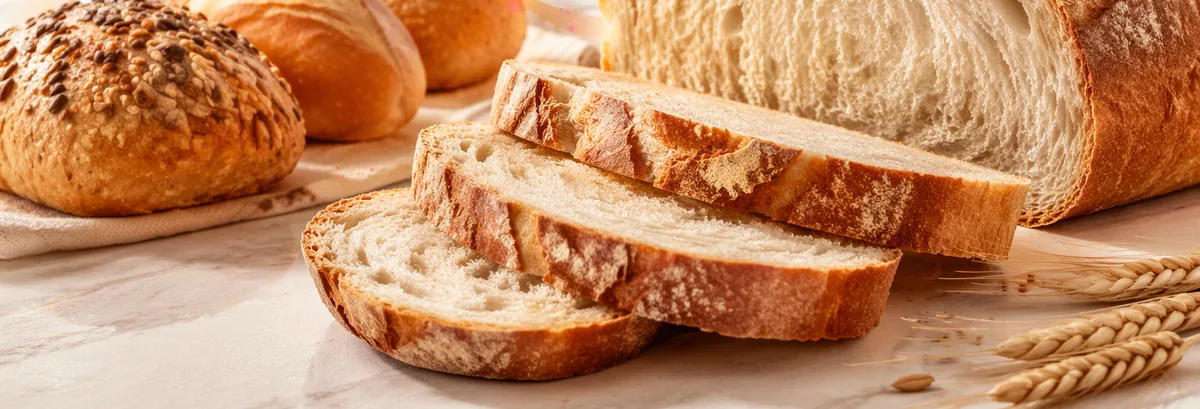
Maltase, also known as alpha-glucosidase or maltose glucohydrolase, hydrolyzes maltose into two glucose molecules. In bakery processing, that matters because yeast does not always access maltose at the same rate across formulations, flour lots, and fermentation schedules.
By increasing glucose availability from maltose-containing inputs, maltase can help stabilize the fermentable sugar pool during mixing, bulk fermentation, proofing, or preferment preparation.
Maltase may support:
Performance depends on formulation, substrate availability, dough temperature, yeast strain, water activity, salt level, fermentation time, and thermal exposure during baking.
In pan bread, buns, rolls, and similar yeast-leavened formats, maltase can help convert available maltose into glucose during fermentation. This may be useful when production teams need steadier gas development without over-adjusting sweetener levels.
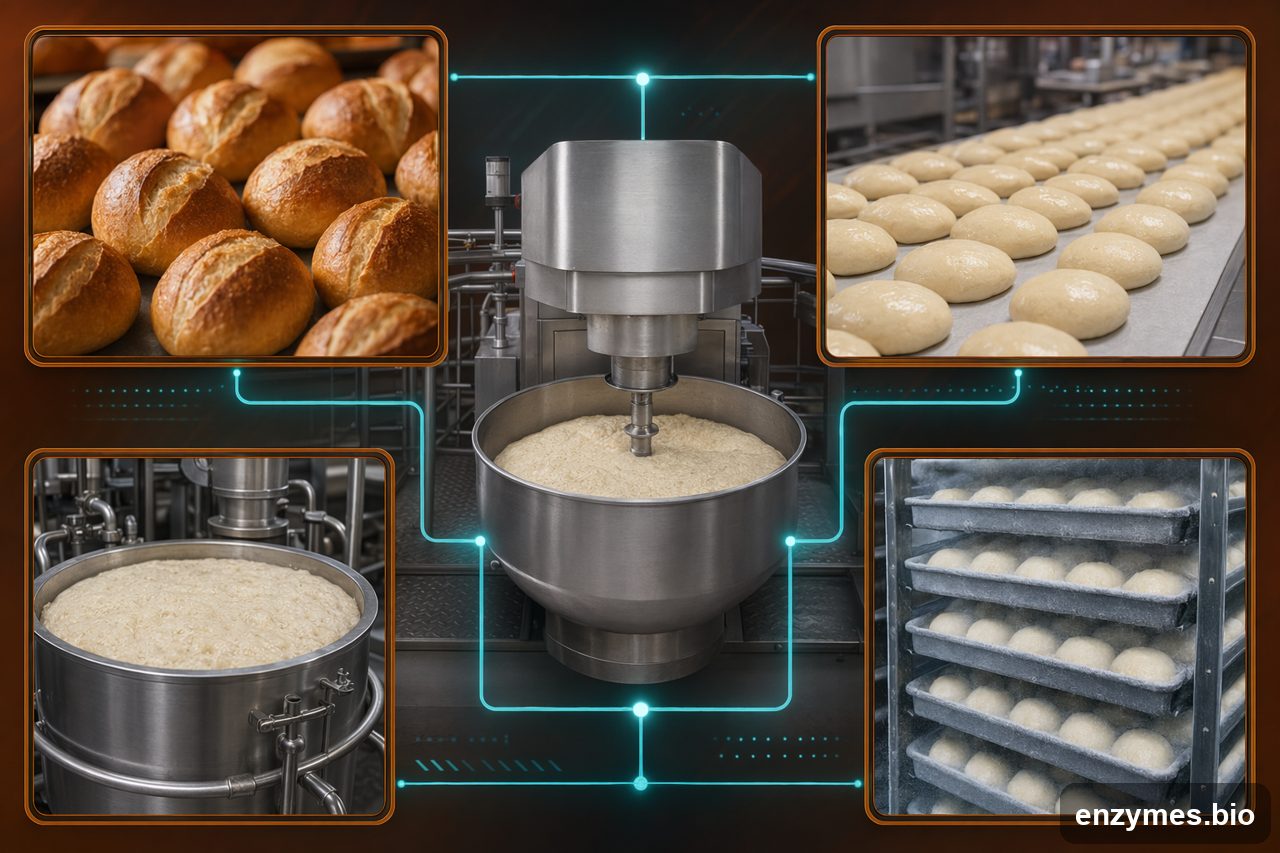
Enriched systems often contain fat, sugar, dairy solids, eggs, or inclusions that affect yeast performance and water availability. Maltase can be evaluated as part of a sugar-management strategy when fermentation pace needs tighter control.
In sponge, levain-adjacent commercial systems, or other preferments, maltase can support a more accessible carbohydrate profile before final dough mixing. This can be valuable when preferment timing is a critical production variable.
Frozen, chilled, or retarded doughs place additional stress on yeast and fermentation timing. Maltase may help maintain fermentable sugar availability after holding, thawing, or delayed proofing, depending on process design.
When malt extract, malt syrup, or maltose-containing starch sweeteners are already present, maltase can be used to tune how quickly maltose is converted into glucose. This creates a lever for balancing fermentation, color, and flavor-development targets.
Maltase selection should be based on the actual bakery matrix, not on the enzyme name alone. During qualification, Maltase Enzyme Solutions recommends reviewing:

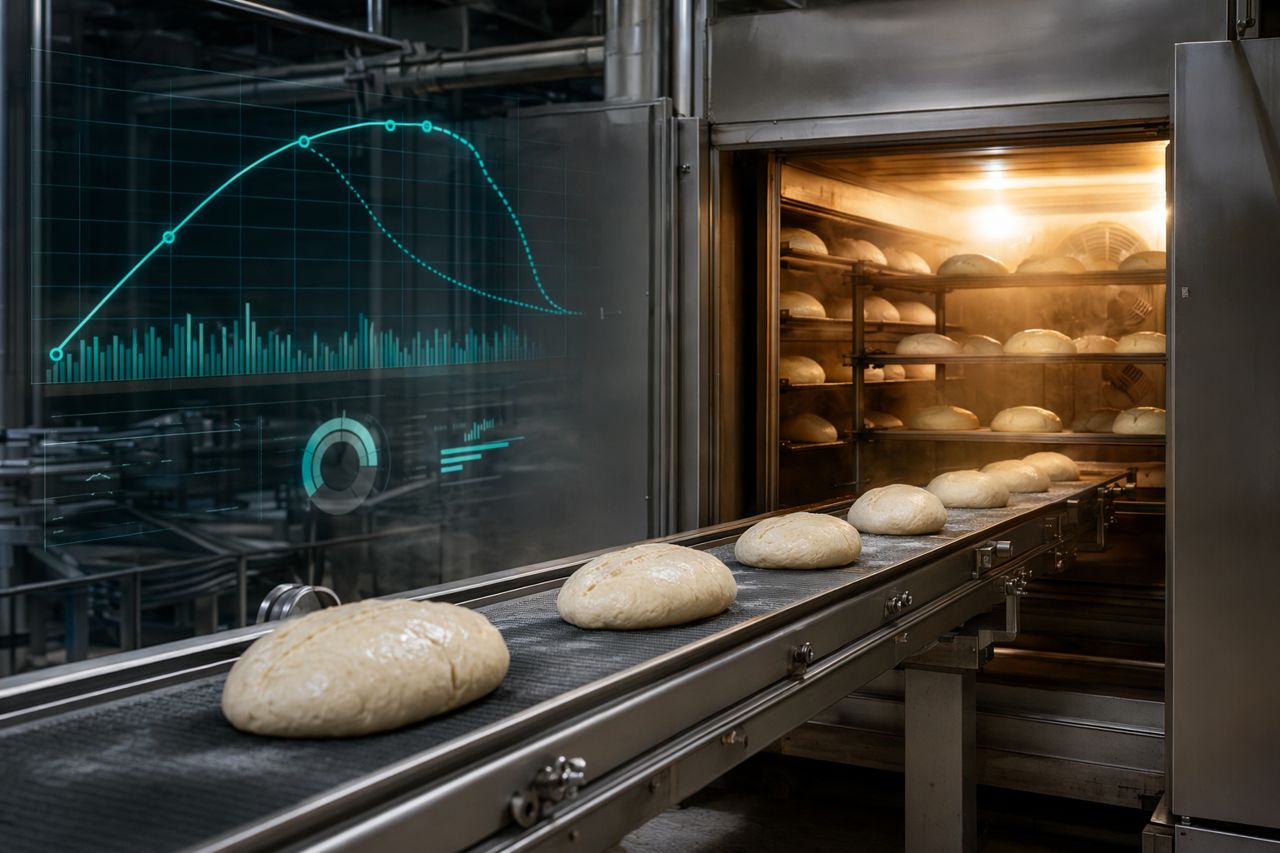
Maltase can be evaluated in several process positions depending on the manufacturing objective:
The right addition point depends on contact time, hydration, temperature, and substrate access. Pilot trials should track dough expansion, proof time, pH drift, residual sugars, crust color, crumb structure, and finished-product consistency.
For R&D and manufacturing groups, maltase is not just a biochemical input. It is a controllable process tool. Used correctly, it can help align carbohydrate conversion with bakery throughput and finished-product targets.
For procurement teams, the key is supply consistency: stable specification, lot-to-lot documentation, clear handling guidance, and technical support during qualification.
Maltase Enzyme Solutions supports bakery customers with application-focused maltase supply for trial work, scale-up, and ongoing production planning.
Before requesting pricing, prepare the following if available:
Tell us how maltase needs to perform in your dough system. Maltase Enzyme Solutions will review the application and respond with availability, documentation, and pricing guidance.
Ready for a quote? Use the inquiry form at the foot of this page. Tell us the application, the quantity per order or per year, the format you prefer (liquid or powder) and the delivery country. Price, pack and lead time are quoted per order.
Need immediate budget guidance? Use the inquiry form at the foot of this page and include “get pricing” in your message so our team can route the request appropriately.
Process


Applications
Enquire
Tell us your application and volume — we reply with pricing and lead time.
We have received your message. We will reply by email.