Maltase Enzyme Solutions · application
Bulk maltase for feed mills, premix and feed-additive companies and liquid-feed producers: controlled maltose-to-glucose conversion in cereal and co-product streams. Request a quote.
Request pricingOverview
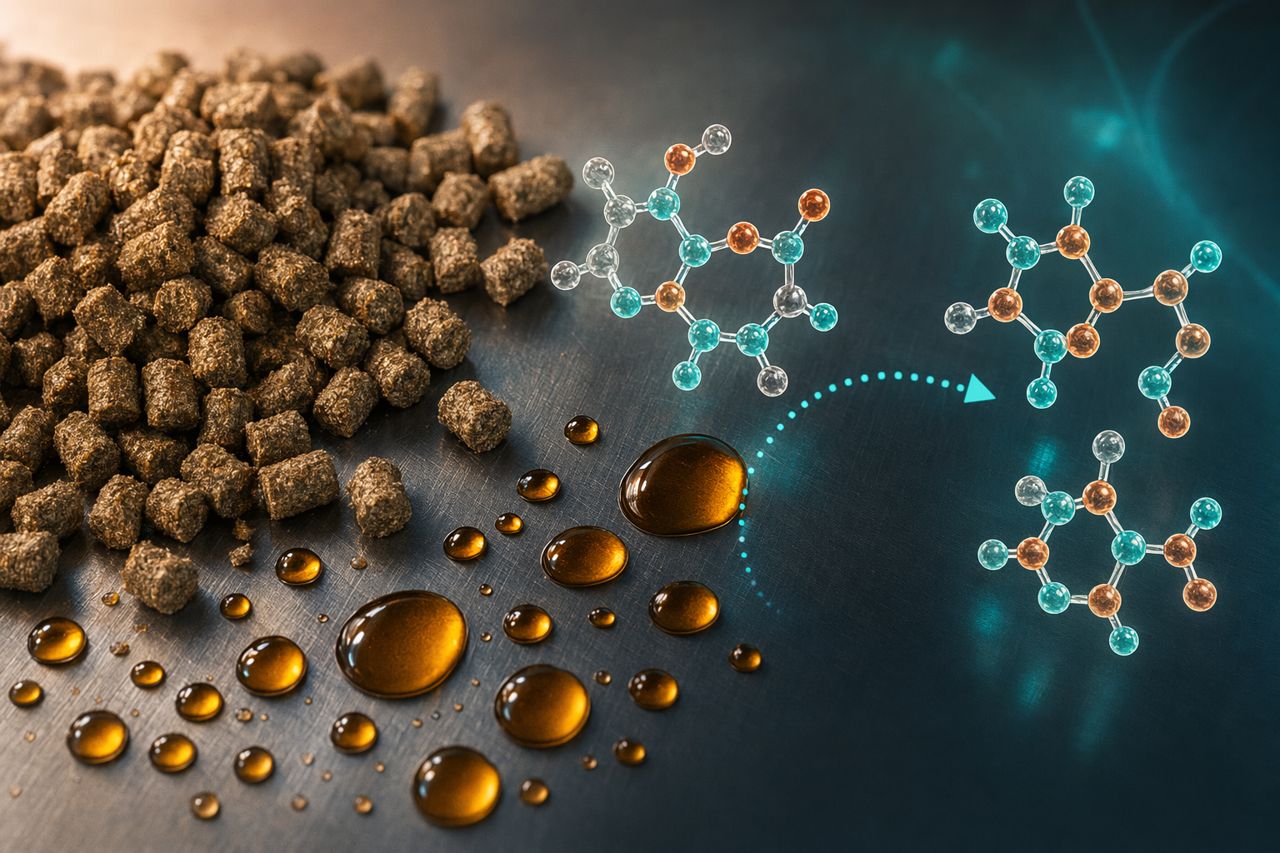
Maltase, also known as alpha-glucosidase or maltose glucohydrolase, hydrolyzes maltose into glucose. In feed-related applications, that conversion can be relevant wherever maltose is present, generated during processing, or released from starch-derived substrates.
Maltase Enzyme Solutions supplies maltase in bulk to feed mills, premix and feed-additive companies, liquid-feed producers, processors upgrading cereal and brewing co-products, and the distributors who serve them. The objective is not generic enzyme inclusion; it is controlled maltose breakdown under the process and formulation conditions of your operation. Every order is quoted individually.
Wholesale and bulk maltase for manufacturers, ingredient blenders, distributors and resellers. Every order is quoted individually. Request a quote with your product or application, the quantity you need and the destination country.

Maltase may be considered when formulations or processing streams include maltose-rich or maltose-generating inputs, including:
The commercial question is straightforward: does maltase create a measurable conversion benefit in the specific matrix, process sequence, and animal program being evaluated?
Maltase targets maltose and cleaves it into glucose. This can support carbohydrate conversion strategies where maltose accumulation is undesirable or where more complete saccharide conversion is needed before feed delivery, fermentation, or downstream blending.
In practical terms, maltase evaluation typically focuses on:
Maltase is not a universal replacement for amylases or other feed enzymes. It works at a later point in the carbohydrate breakdown chain, after larger starch-derived molecules have been reduced to maltose or related alpha-glucosides. That makes substrate mapping important before commercial adoption.
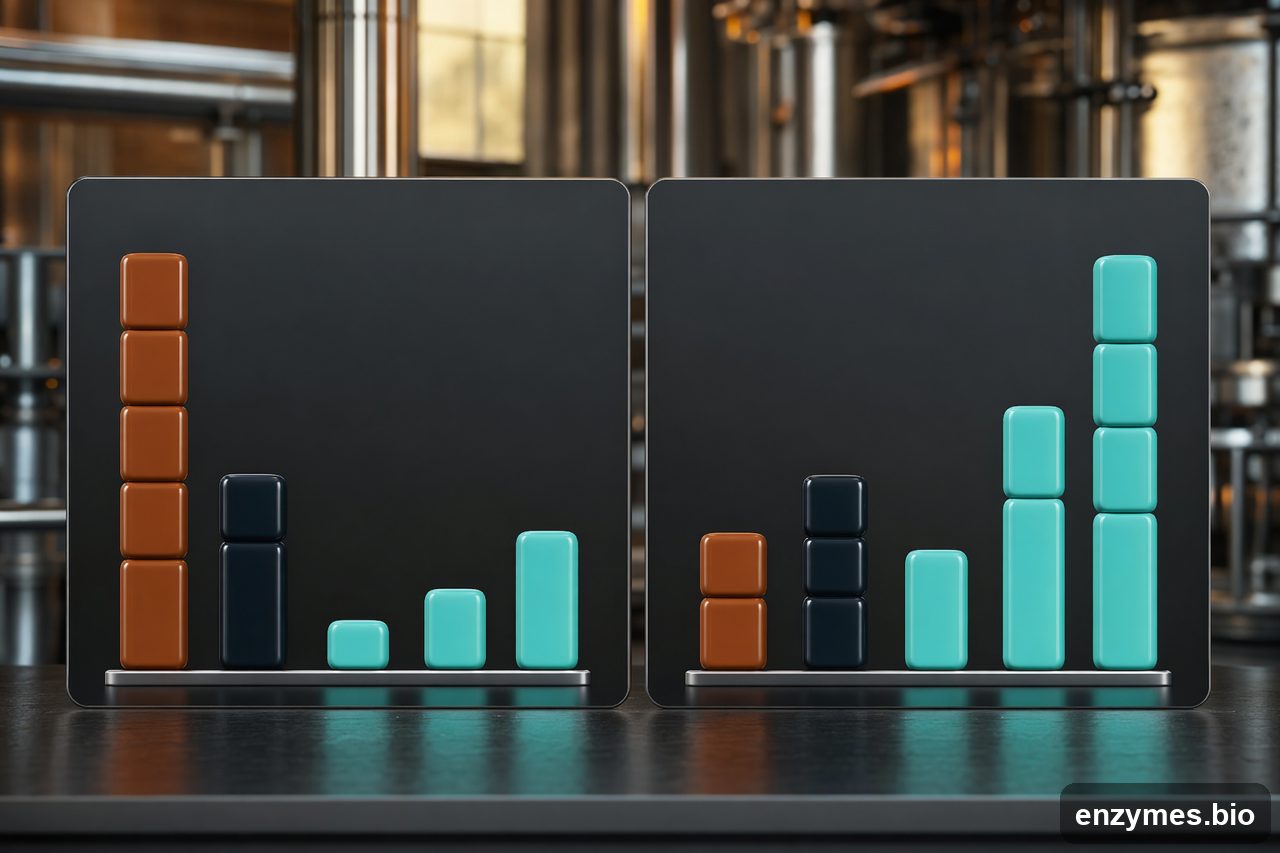
For ingredient processors, maltase can be evaluated during pre-treatment of maltose-containing substrates before drying, blending, or liquid distribution. This route gives process engineers more control over contact time, mixing, water availability, and conversion endpoints.
Typical targets include residual maltose reduction, glucose profile consistency, and improved predictability of carbohydrate composition in the finished ingredient.
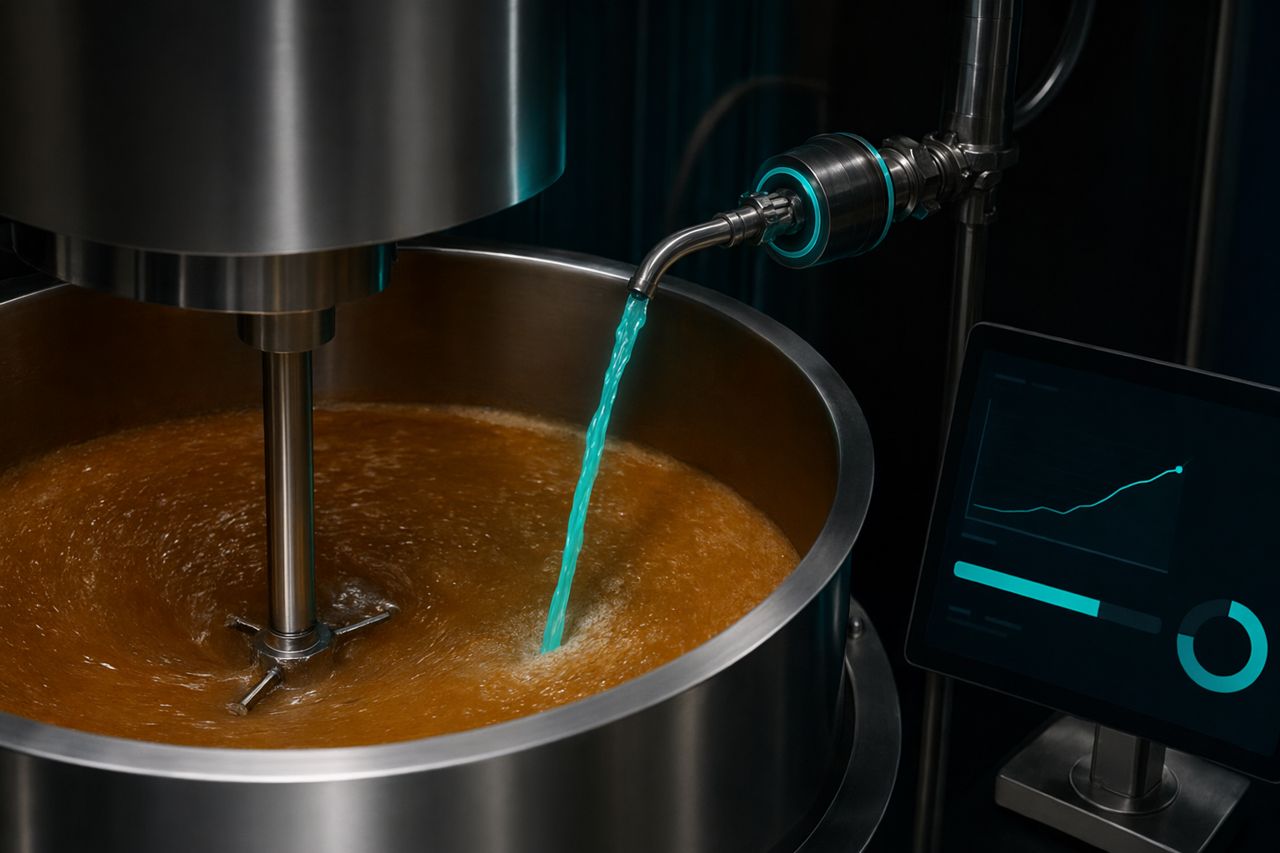
Maltase can be relevant in liquid feed applications where maltose is present in solution and conversion can occur before delivery. Liquid systems often provide better enzyme-substrate contact than dry blends, but they also require attention to hold time, preservation strategy, and compatibility with other liquid additives.
Where heat exposure or pelleting conditions are a concern, maltase may be considered in mash systems or post-processing formats. Procurement and manufacturing teams should align enzyme form, handling requirements, and addition point early in the evaluation.
Maltase may be used alongside amylases, glucanases, xylanases, or other enzyme classes when the formulation strategy includes sequential carbohydrate breakdown. In these programs, maltase is best positioned as a finishing enzyme for maltose conversion rather than a front-end starch liquefaction tool.

A maltase evaluation should be designed around the actual feed system, not only a simplified substrate model. Key variables include:
For pelleted or heat-processed feeds, the route of inclusion is critical. Thermal exposure can reduce functional contribution if the enzyme is not protected, added at the right stage, or applied after the highest-risk process step.
Maltase Enzyme Solutions recommends evaluation plans that connect biochemical conversion to commercial decision points. Depending on the application, teams may track:
For feed applications, the strongest programs combine process analytics with practical manufacturing observations. A maltase that performs well in a beaker still needs to work in the real production sequence, with real raw-material variability and real handling constraints.
When sourcing maltase for feed-related work, buyers should define the intended use before requesting price. The same enzyme category can be supplied in forms that differ in handling profile, concentration approach, carrier system, solubility, and processing suitability.
Useful RFQ inputs include:
Regulatory status, labeling requirements, and permissible use may vary by market and application. These should be reviewed as part of supplier qualification and product selection.
Maltase Enzyme Solutions is built for technical buyers who need clear enzyme positioning, commercial feasibility, and process-fit discussions without unnecessary noise. For feed carbohydrate digestibility projects, we help teams define whether maltase is the right conversion lever, where it should be introduced, and what trial outcomes should determine scale-up.
Use the inquiry form at the foot of this page with the feed or ingredient stream, the application route (dry blend, liquid feed or pre-treatment), the quantity per order or per year, and the destination country. Price, pack and lead time are quoted per order.
Process

Applications
Enquire
Tell us your application and volume — we reply with pricing and lead time.
We have received your message. We will reply by email.