Maltase Enzyme Solutions · application
Bulk maltase for digestive enzyme blend makers, supplement brands, contract manufacturers and ingredient distributors: maltose-conversion coverage for capsule, tablet and powder formats, quoted per order.
Request pricingOverview
Maltase is used in digestive enzyme formulation concepts where maltose conversion is a defined design requirement. For R&D, process engineering, procurement, and manufacturing teams, the relevant question is not whether maltase is broadly useful — it is whether the enzyme fits the formulation matrix, handling conditions, documentation expectations, and commercial scale-up path.
Maltase Enzyme Solutions supplies maltase in bulk to the businesses that make and sell digestive enzyme products: supplement brands, contract manufacturers that fill capsules, tablets and sachets, enzyme-blend formulators, and the ingredient distributors who serve them. We sell to companies only, not to consumers. Development quantities, pilot lots and repeat production volumes are all quoted per order.
Wholesale and bulk maltase for manufacturers, ingredient blenders, distributors and resellers. Every order is quoted individually. Request a quote with your product or application, the quantity you need and the destination country.

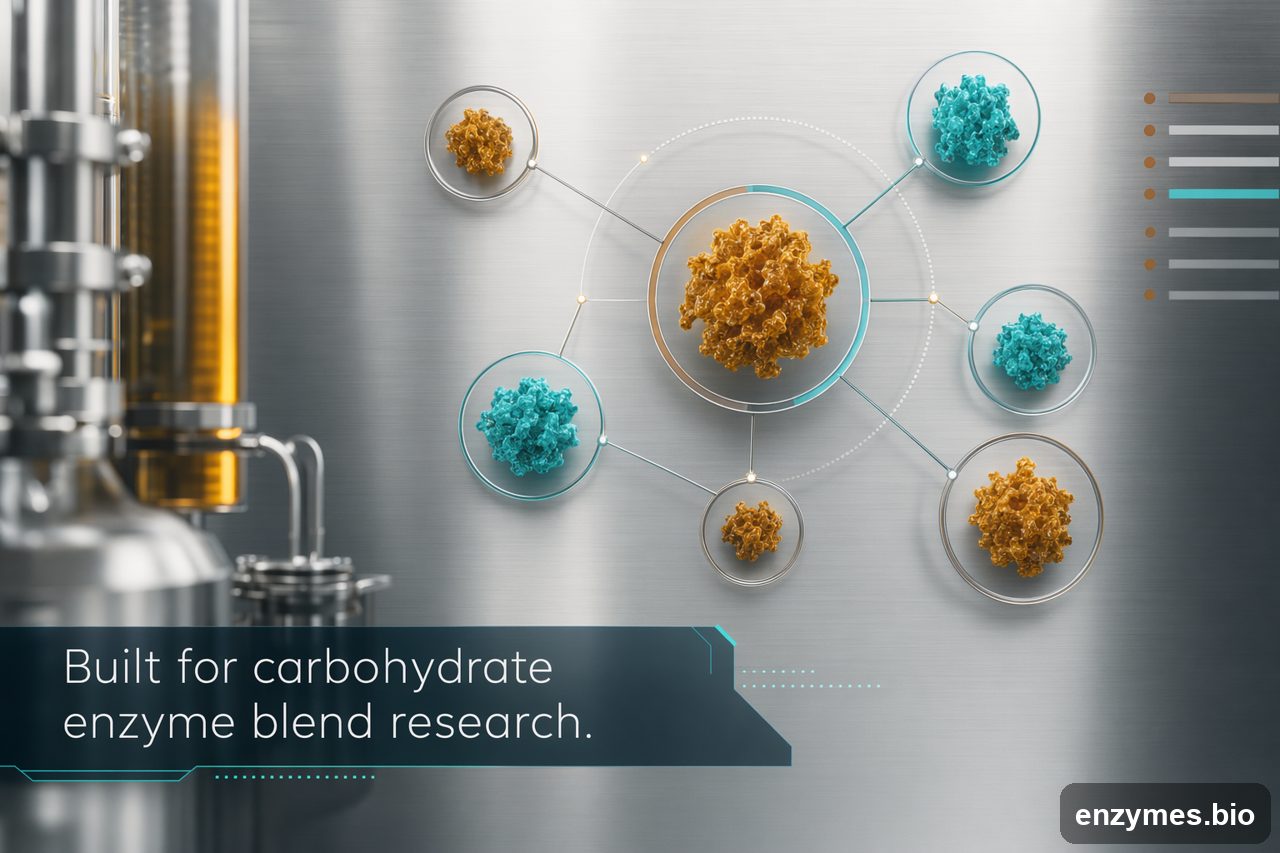
Maltase, also known as alpha-glucosidase or maltose glucohydrolase, catalyzes the hydrolysis of maltose into glucose. In digestive enzyme formulation research, it is commonly evaluated as part of carbohydrate-focused enzyme blends where maltose may remain after upstream starch conversion.
Typical development contexts include:
Maltase Enzyme Solutions positions maltase as a technical formulation input — not as a consumer claim platform. Buyer teams remain responsible for final product positioning, regulatory review, and market-specific compliance.
Maltase is selected when the formulation brief specifically calls for maltose hydrolysis. In many carbohydrate enzyme systems, upstream enzymes act on starch-derived substrates, while maltase addresses the disaccharide endpoint. This makes it useful for formulation teams mapping enzyme coverage across a staged carbohydrate breakdown pathway.
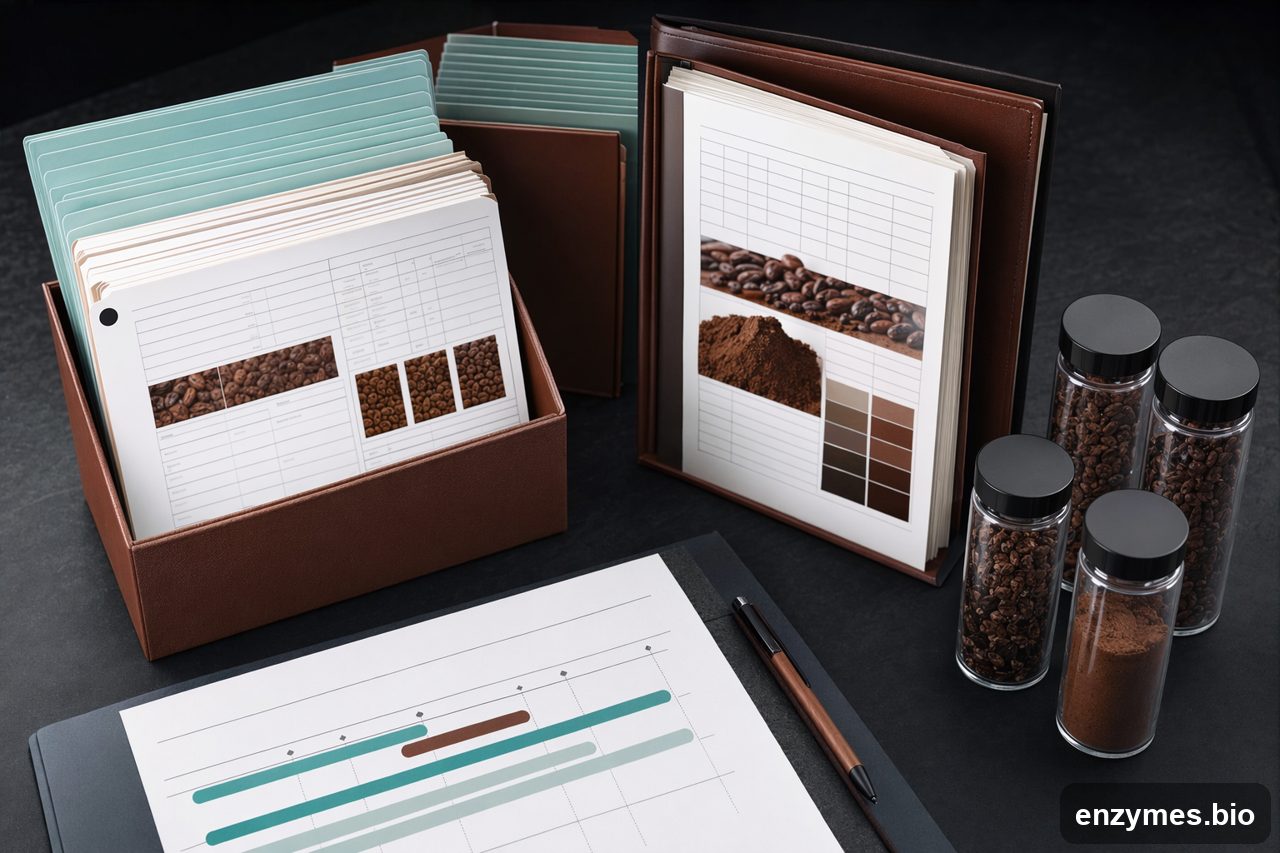
Maltase is often evaluated alongside other carbohydrases. Development teams typically assess:
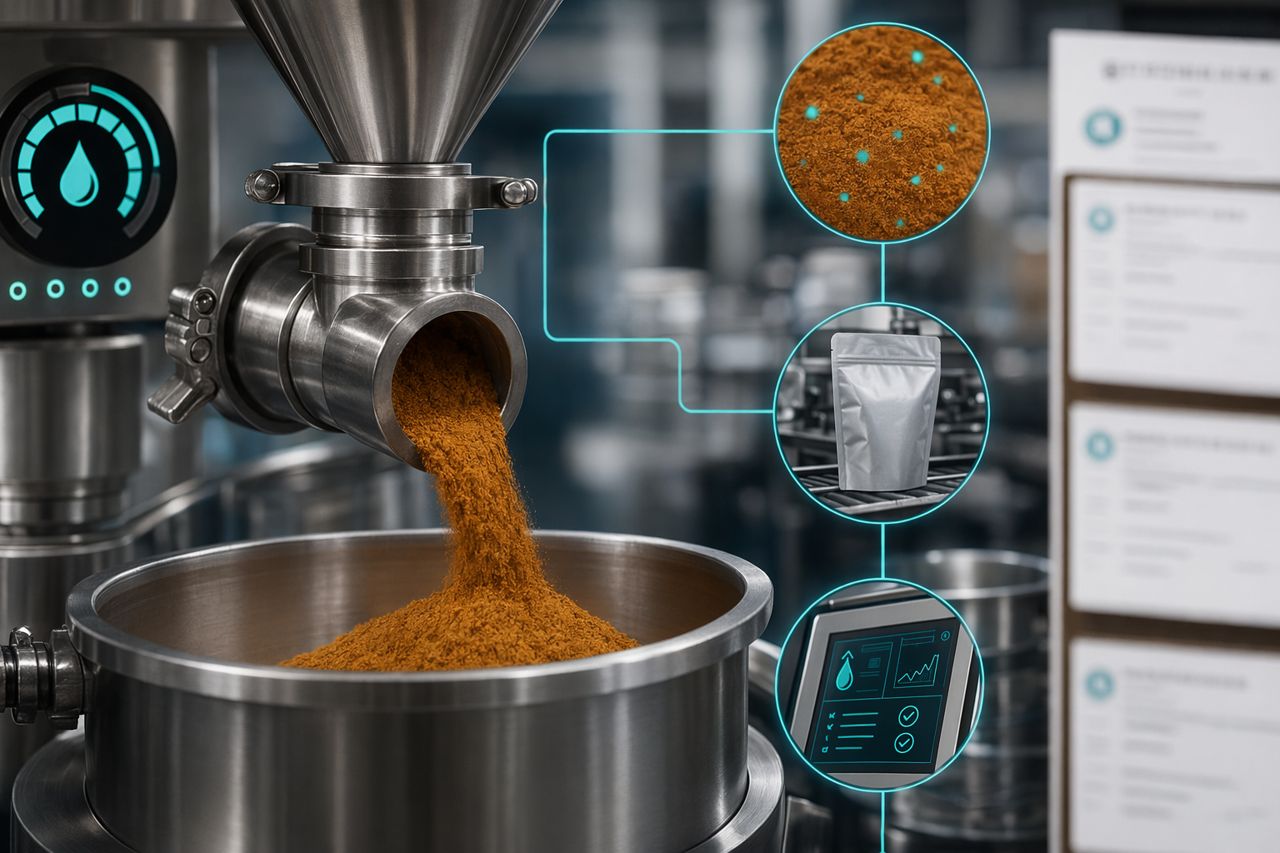
For procurement and manufacturing, maltase selection must support repeatable sourcing and production. Maltase Enzyme Solutions can support discussions around grade options, documentation packages, packaging formats, batch traceability, and scale-up planning.
When evaluating maltase for digestive enzyme research, the most useful screening questions are practical:
Maltase Enzyme Solutions can help frame these questions before sample selection, so teams avoid testing materials that do not match the intended process route.

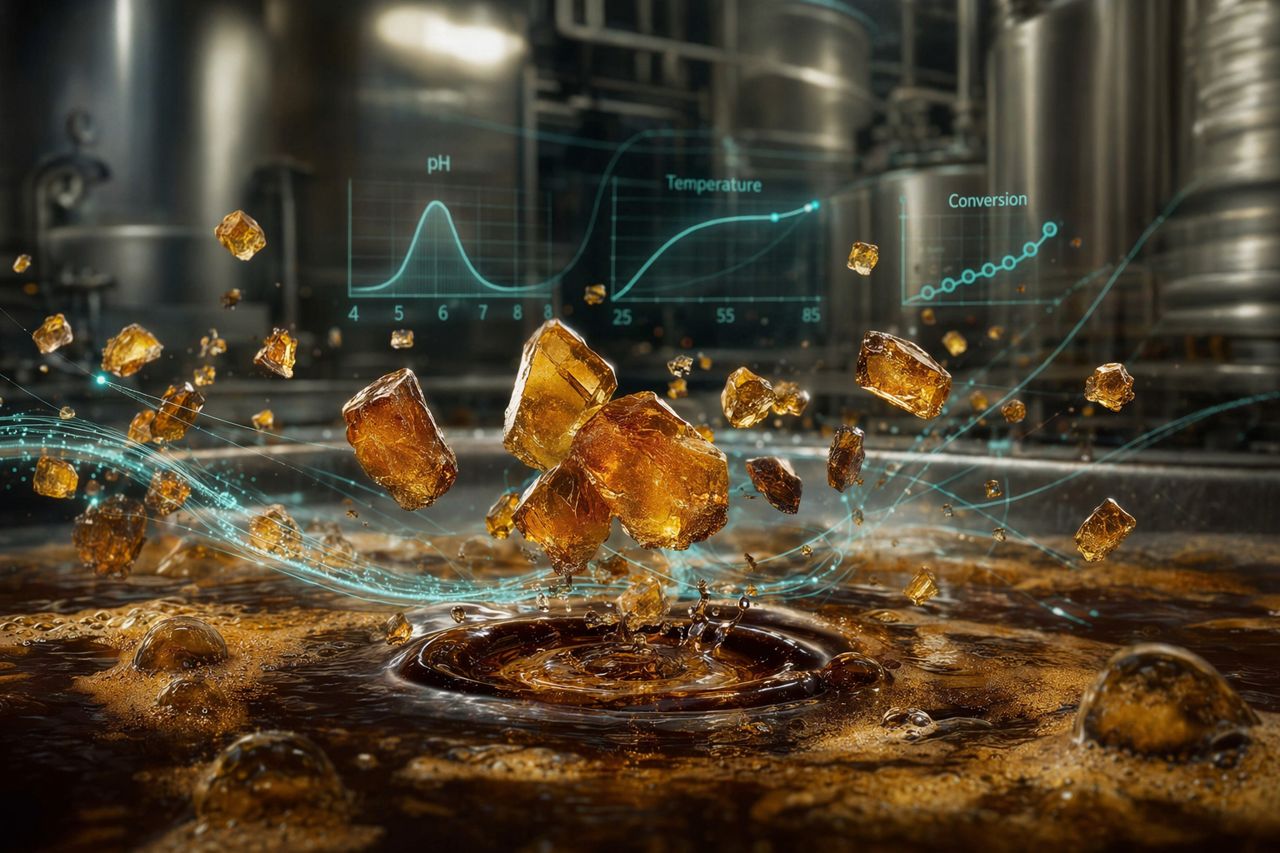
Maltase performance in a formulation program depends on more than enzyme identity. Handling discipline and process design matter.
Key production topics include:
For scale-up planning, Maltase Enzyme Solutions focuses on the practical interface between enzyme specification, formulation design, and manufacturing reality.
Maltase Enzyme Solutions supports B2B buyers with maltase options for research, pilot development, and commercial planning. Available details may include:
Exact suitability depends on the buyer’s formulation, process conditions, regulatory requirements, and quality system.
Maltase is relevant when carbohydrate breakdown needs to be mapped beyond general amylase activity. It gives formulation teams a targeted way to address maltose as a specific substrate within the digestive enzyme design.
Commercial teams value maltase because it supports clearer formulation logic:
Maltase Enzyme Solutions supplies maltase for your own production and for resale. Use the inquiry form at the foot of this page and include:
Price, pack and lead time are quoted per order, and we tell you which documents are available for the grade.
Maltase Enzyme Solutions responds with commercially useful next steps: specification alignment, available supply options, and the information needed to move from formulation research toward controlled sourcing.
Process

Applications
Enquire
Tell us your application and volume — we reply with pricing and lead time.
We have received your message. We will reply by email.