Maltase Enzyme Solutions · application
Prepare glucose-rich carbohydrate streams for specialty fermentation and bioprocessing with maltase-supported maltose conversion, controlled integration, and B2B supply support.
Request pricingOverview
Specialty fermentation teams often need more than a generic carbohydrate source. The sugar profile entering the fermenter can influence uptake rate, feed strategy, osmotic load, productivity, and downstream consistency.
Maltase Enzyme Solutions supplies Maltase (alpha-glucosidase; maltose glucohydrolase) for processes that benefit from reducing maltose content and increasing glucose availability before or during bioprocess operation.

Maltase hydrolyzes maltose into glucose, supporting preparation of glucose-rich carbohydrate streams for microorganisms or process steps where maltose is not the preferred feedstock.
Wholesale and bulk maltase for manufacturers, ingredient blenders, distributors and resellers. Every order is quoted individually. Request a quote with your product or application, the quantity you need and the destination country.
Maltase can be used as an upstream or in-process conversion tool when a maltose-containing stream needs a defined glucose contribution.
Common B2B use cases include:
Reducing maltose variability can help process engineers build tighter feed models and reduce uncertainty around carbon availability.
Maltase enables controlled sugar-profile trials without redesigning the entire carbohydrate supply chain. Teams can evaluate glucose-rich, maltose-reduced, or partially converted feeds using the same base stream.
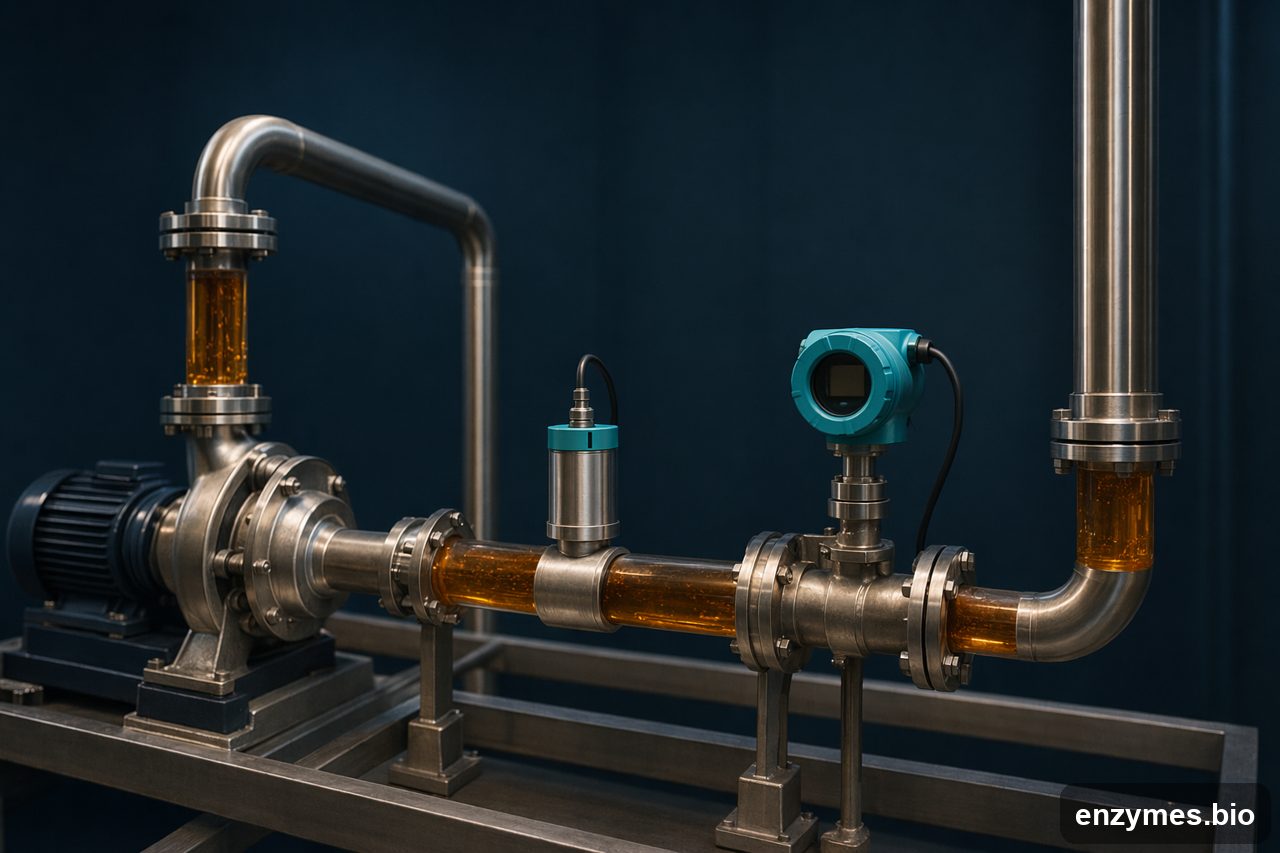
Some microbial systems are engineered or selected around glucose uptake. Maltase supports preparation of feeds aligned to those metabolic preferences.
Maltase Enzyme Solutions supports qualification with documentation, lot traceability, format selection, and commercial supply planning for scale-up and routine manufacturing.
Maltase can be evaluated in several operating models depending on the manufacturing objective.
A maltose-containing syrup, hydrolysate, or media component is converted before sterilization or downstream blending. This model gives strong control over the sugar profile entering the process.
For continuous or semi-continuous operations, a controlled side stream may be treated to shift the glucose contribution without changing the full feed system.
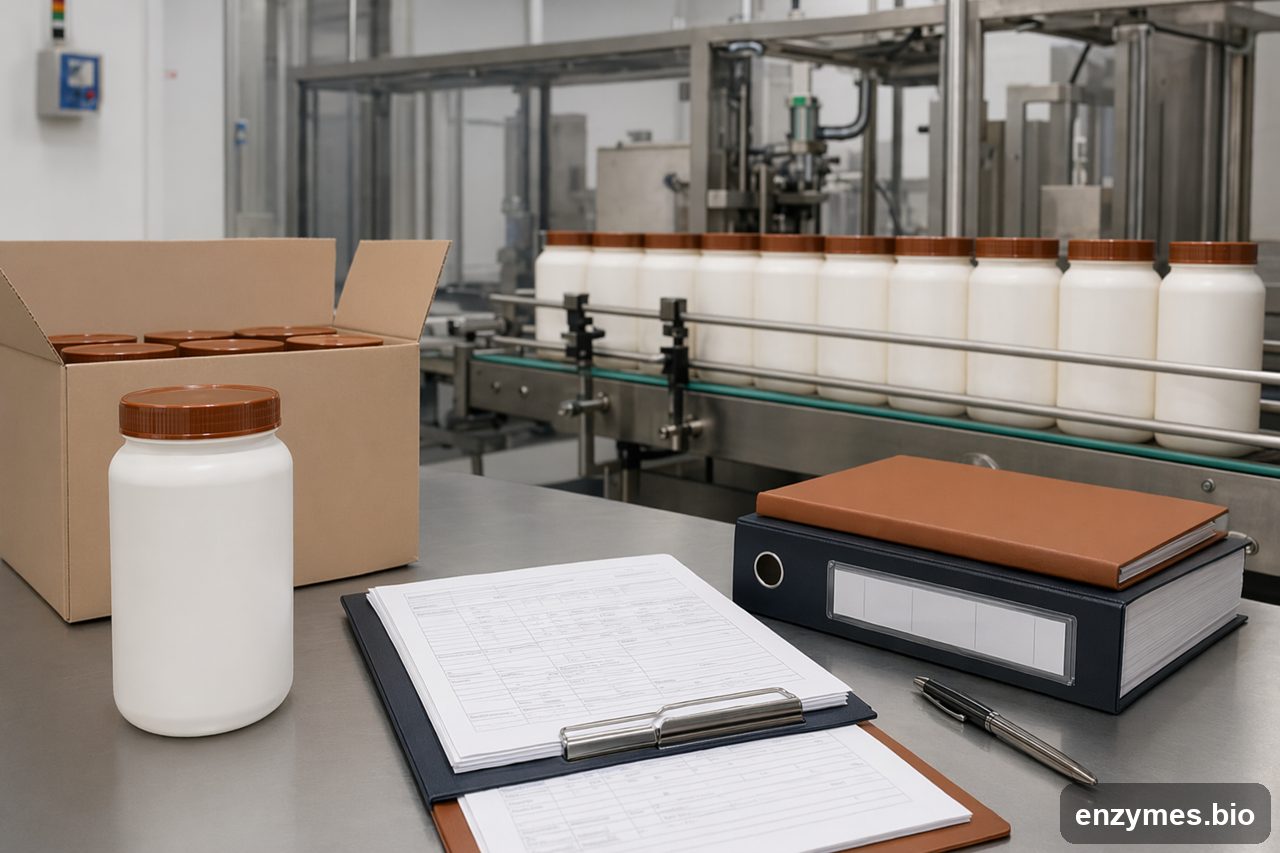
Not every process needs maximum maltose reduction. Partial conversion can support mixed-carbon feeding strategies where glucose availability is increased while some maltose remains.
Development teams can use maltase to generate feed variants and measure strain response, substrate uptake, product formation, and downstream impacts under controlled conditions.
Maltase is most relevant when the carbohydrate stream contains maltose or maltose-rich fractions. Process suitability depends on the composition of the feed, target conversion level, operating window, residence time, and compatibility with other media components.
During evaluation, teams commonly assess:
We support practical enzyme selection around the process outcome, not just catalog terminology.
For quotation and evaluation, share:
Maltase Enzyme Solutions is built for industrial buyers who need responsive technical communication and dependable commercial supply. We can support sample requests, scale-up discussions, recurring purchase planning, and documentation review for qualified B2B projects.
Available support may include:
Use the form below to contact the Maltase Enzyme Solutions team with your application details. We will respond with pricing, availability, and the next practical step for evaluation or supply.
Ready for a quote? Use the inquiry form at the foot of this page. Tell us the application, the quantity per order or per year, the format you prefer (liquid or powder) and the delivery country. Price, pack and lead time are quoted per order.
Process
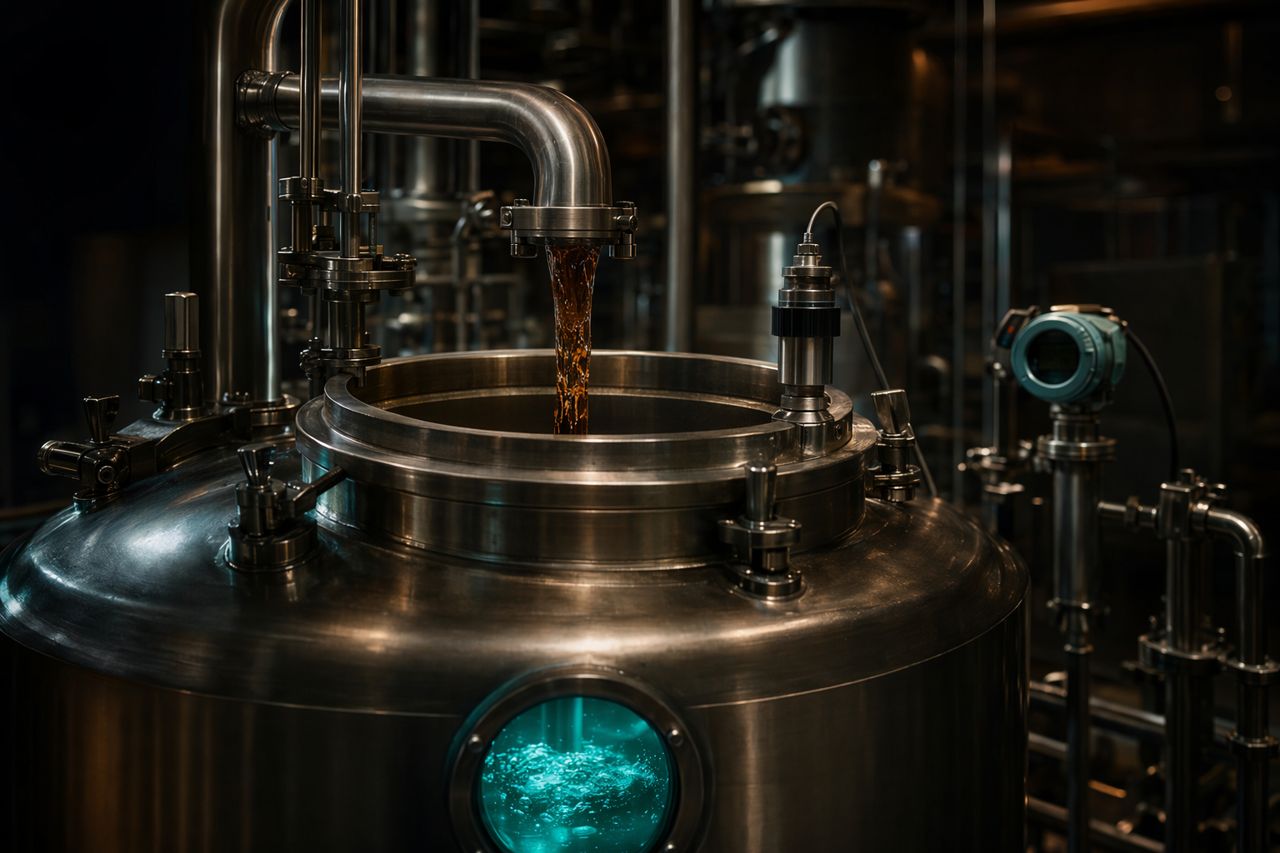


Applications
Enquire
Tell us your application and volume — we reply with pricing and lead time.
We have received your message. We will reply by email.