Maltase Enzyme Solutions · application
Controlled maltose-to-glucose conversion for malt extracts, cereal syrups, grain bases, and roasted ingredient systems where sweetness, fermentability, and browning behavior must be designed.
Request pricingOverview
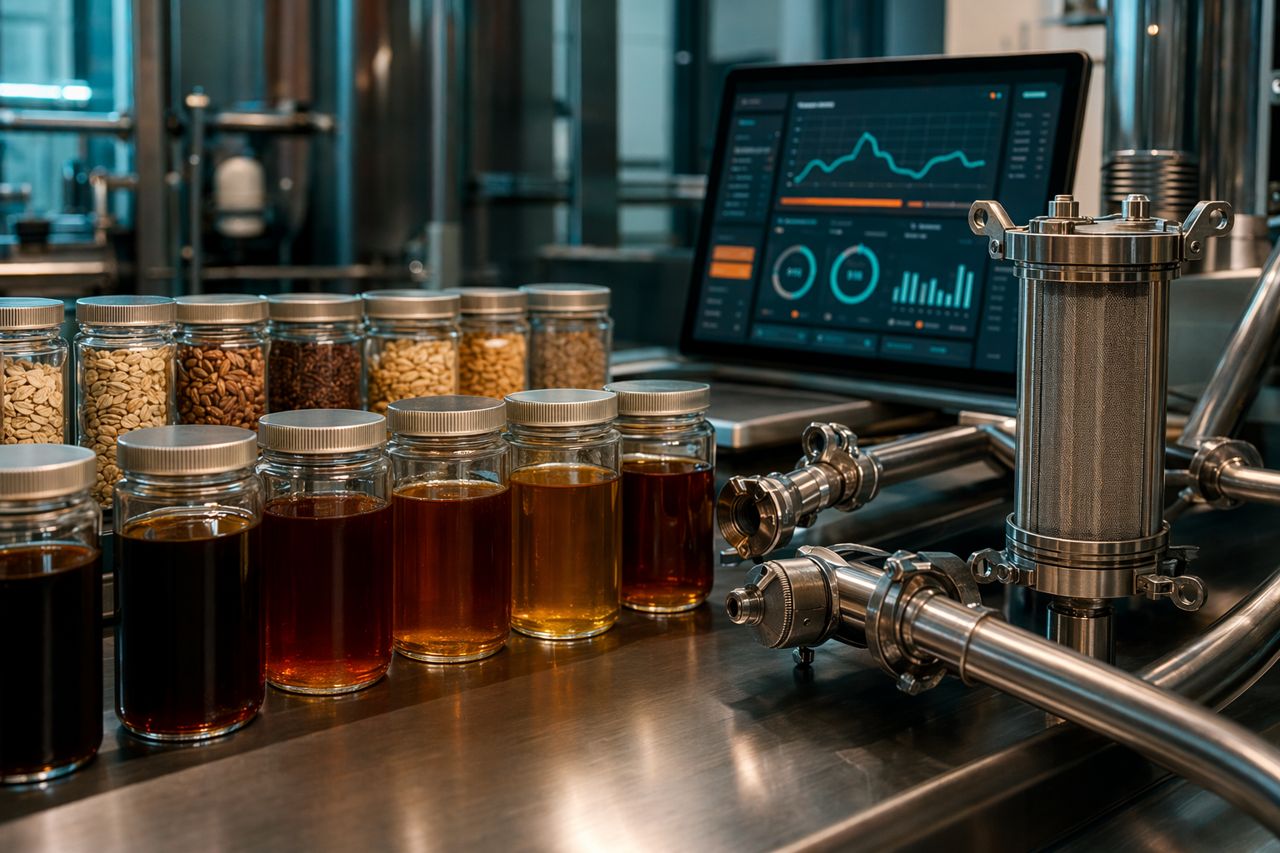
Maltose-rich cereal extracts are valuable because they carry malt character, roasted depth, and processable carbohydrate solids. They are also variable. When the target is a defined glucose profile rather than a generic syrup conversion, maltase gives R&D and manufacturing teams a controlled lever.
Maltase — Maltase (alpha-glucosidase; maltose glucohydrolase) — supports targeted conversion of maltose into glucose in malt extracts, cereal syrups, grain-derived bases, and blended ingredient streams.
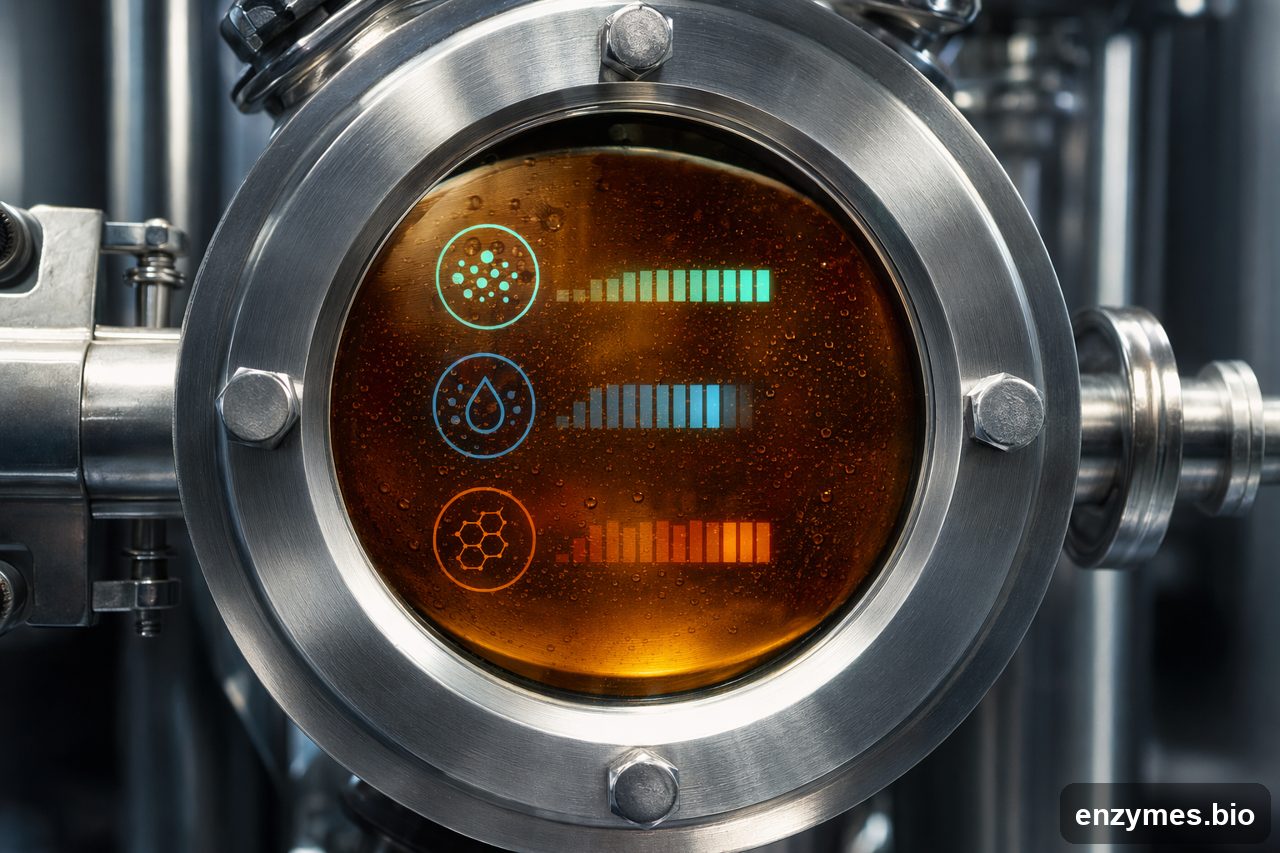
Use it when you need measurable saccharification behavior, not broad claims.
Wholesale and bulk maltase for manufacturers, ingredient blenders, distributors and resellers. Every order is quoted individually. Request a quote with your product or application, the quantity you need and the destination country.
Maltase hydrolyzes maltose into glucose. In malt extract and cereal-based ingredient workflows, that conversion can help adjust:
The commercial value is control: preserve the cereal identity while shifting the sugar profile toward a defined processing outcome.
Malt extracts can vary by grain source, malt quality, mash profile, and concentration step. Maltase can be used to reduce maltose variability and help build a more repeatable glucose contribution across production lots.
For rice, barley, wheat, oat, corn, or mixed cereal bases, maltase helps tune the residual maltose level after upstream starch conversion. This is useful when the ingredient must meet a sweetness, fermentation, or thermal response target.
Glucose contributes differently than maltose in heat-driven flavor and color formation. Controlled maltase treatment can support more predictable browning behavior in cereal concentrates, bakery inclusions, malt powders, roasted syrups, and savory-sweet flavor bases.
When maltose-rich extracts are used as fermentation substrates, the glucose fraction can influence uptake behavior and process timing. Maltase gives developers another control point before the stream enters fermentation or blending.
| Production goal | Maltase contribution |
|---|---|
| Higher glucose fraction | Converts maltose-rich material into a more glucose-forward profile |
| Controlled sweetness design | Helps adjust sweetness direction while retaining cereal character |
| Fermentation readiness | Increases available glucose where a process benefits from it |
| Browning response | Supports more predictable reducing sugar behavior in heat applications |
| Lot-to-lot control | Provides a correction tool for maltose variability in cereal extracts |
| Product development flexibility | Enables partial conversion targets instead of all-or-nothing syrup design |
Maltase performance depends on the cereal matrix, solids loading, existing sugar spectrum, pH environment, temperature profile, mixing quality, and hold time. For best development work, define the commercial target before choosing the trial structure.
Useful starting questions:
Maltase Enzyme Solutions can help frame the trial around these operating realities without disclosing activity-unit methodology or trader-confidential assay assumptions.
Maltase Enzyme Solutions is built for buyers who need enzyme decisions to connect with plant economics. The focus is not abstract biochemistry. It is controlled conversion, predictable process behavior, and qualification support that procurement, R&D, and manufacturing can use.
You bring the maltose-rich stream, target profile, process constraints, and commercial objective. Maltase Enzyme Solutions helps you evaluate whether maltase belongs in the formulation or process route.
Share your cereal substrate, intended application, target glucose profile, current process stage, and expected production scale. The Maltase Enzyme Solutions team will respond through this site’s own contact workflow.
Ready for a quote? Use the inquiry form at the foot of this page. Tell us the application, the quantity per order or per year, the format you prefer (liquid or powder) and the delivery country. Price, pack and lead time are quoted per order.
Process
Applications
Enquire
Tell us your application and volume — we reply with pricing and lead time.
We have received your message. We will reply by email.