Maltase Enzyme Solutions · application
Bulk maltase for breweries, malt-beverage producers and brewing-ingredient distributors: maltose-to-glucose conversion for wort fermentability and residual sugar control. Request a quote.
Request pricingOverview
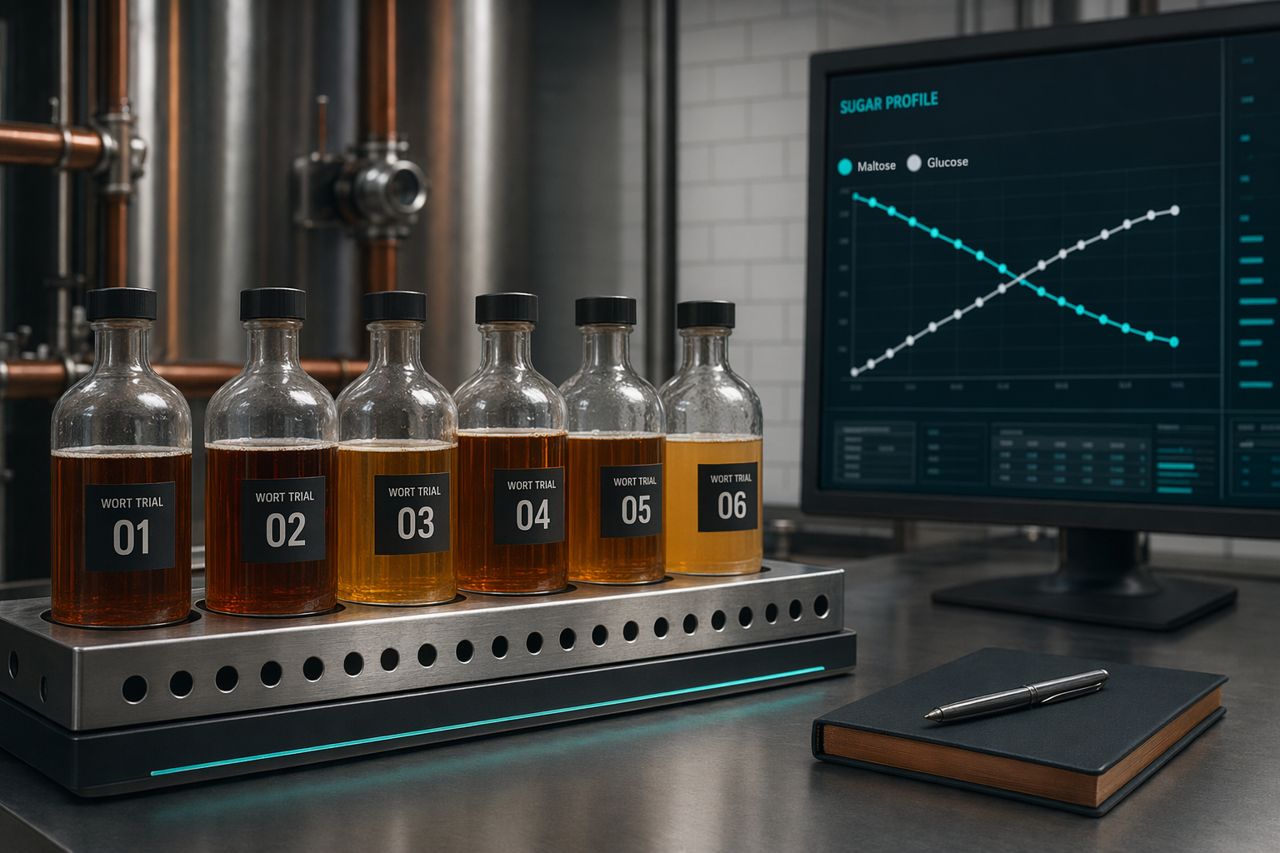
Maltase supports controlled conversion of maltose into glucose in malt-based liquids. For brewing R&D, process engineering, and production teams, that makes it a practical tool for evaluating fermentable sugar profiles, residual maltose reduction, attenuation behavior, and process flexibility.
Maltase Enzyme Solutions supplies maltase in bulk to breweries, malt-beverage producers, brewing-ingredient blenders and the distributors who supply brewhouses. The business case is control: a drier, more attenuated beer or a malt base with a designed sugar profile, made the same way batch after batch. The target is not a generic “more fermentable wort” claim but a measurable shift in sugar composition. Trial lots and production volumes are quoted per order.
Wholesale and bulk maltase for manufacturers, ingredient blenders, distributors and resellers. Every order is quoted individually. Request a quote with your product or application, the quantity you need and the destination country.
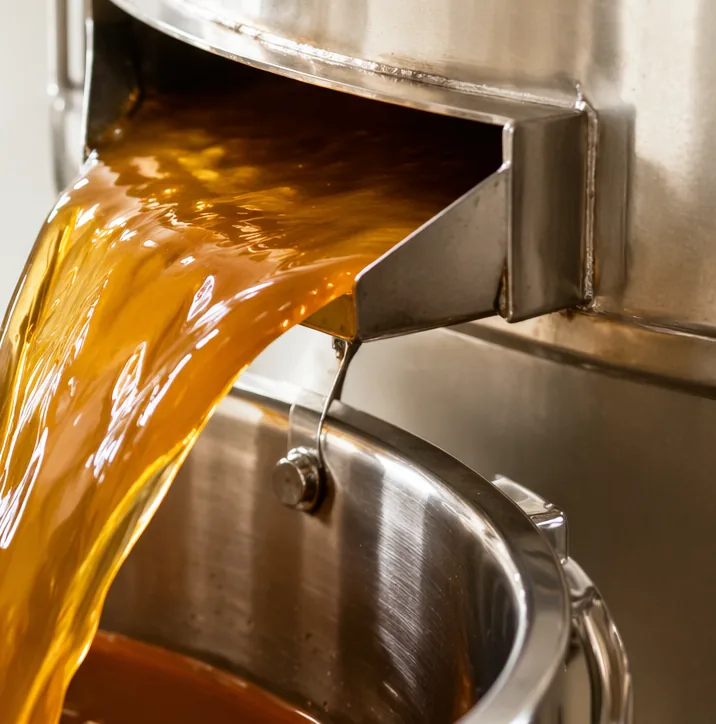
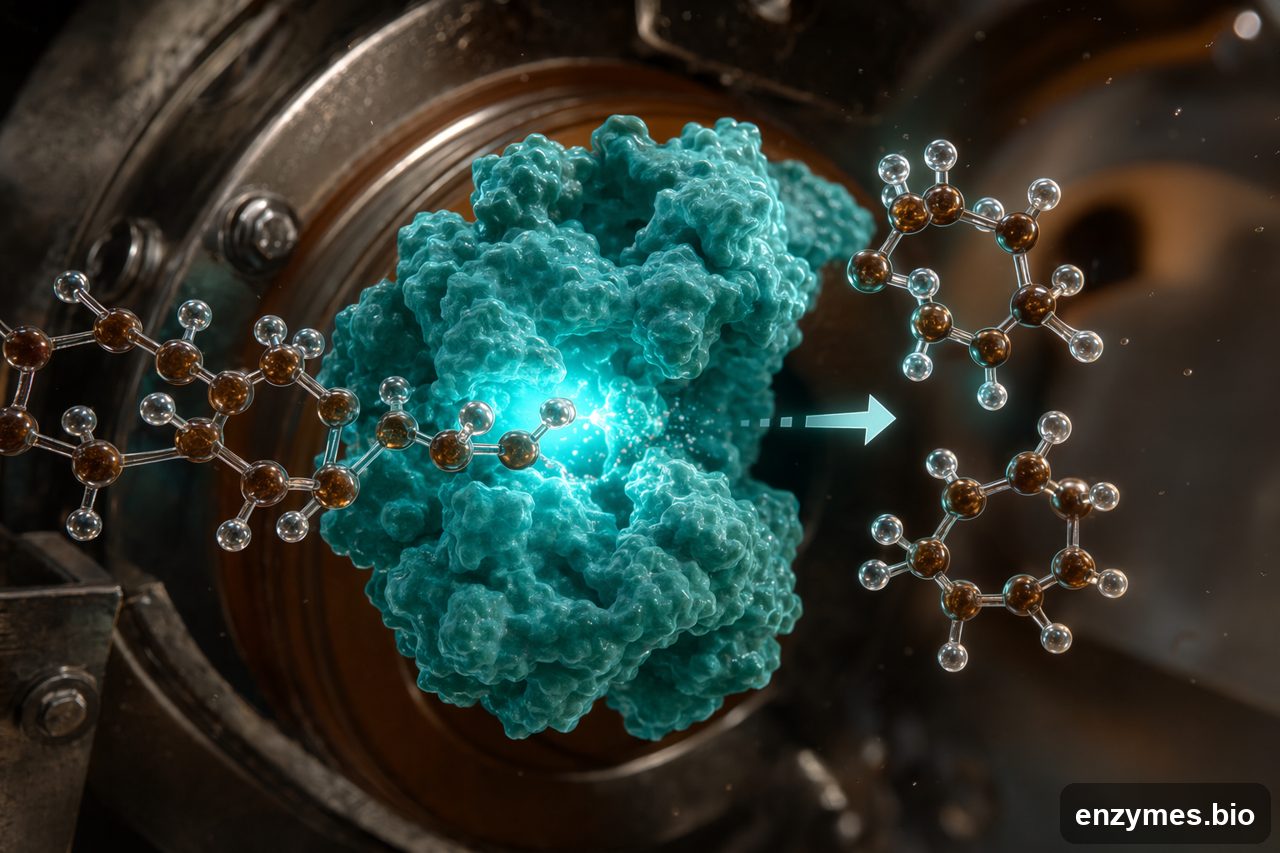
Maltose is a major fermentable sugar in wort. Standard brewing yeast can metabolize maltose, but fermentation performance depends on strain selection, wort composition, gravity, temperature strategy, nutrient balance, and process timing. Maltase provides another lever: enzymatic hydrolysis of maltose into glucose before or during a defined processing window.
This can help teams evaluate:
Maltase, also known as alpha-glucosidase or maltose glucohydrolase, cleaves maltose into glucose. That function is specific and commercially useful, but it should be positioned correctly.
For wort programs, maltase is best treated as a precision conversion tool inside a broader fermentation design.
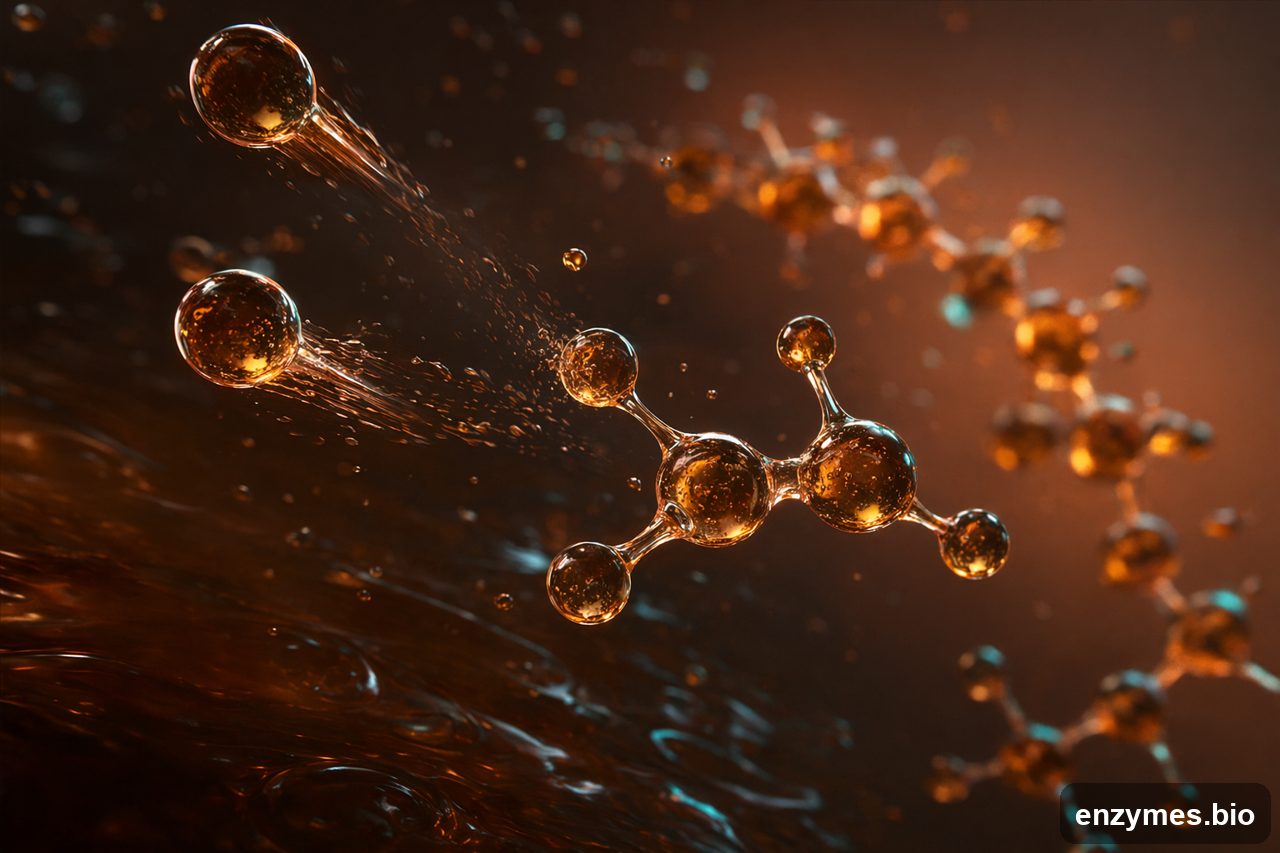
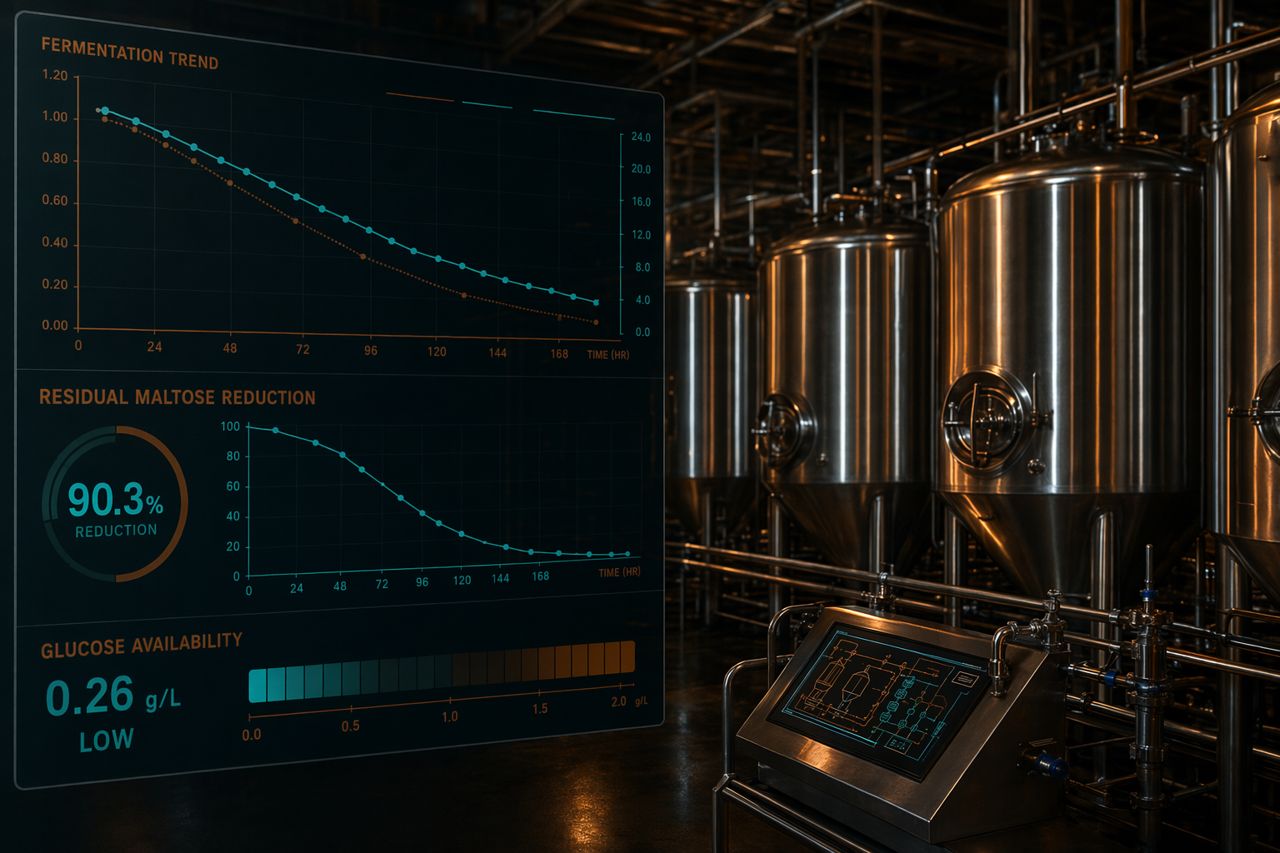
For products targeting a crisp finish, maltase can be evaluated as part of a residual sugar reduction strategy. By converting maltose into glucose, teams can test whether the fermentation system reaches a lower residual maltose endpoint without relying solely on yeast maltose transport performance.
In low- and no-alcohol brewing, sugar management is often more important than maximum ethanol yield. Maltase can be used in controlled trials to reshape the sugar profile before arrested fermentation, limited fermentation, membrane processing, or blended production concepts.
Some non-standard yeast systems provide desirable aroma or process attributes but do not metabolize maltose efficiently. Maltase can help technical teams evaluate whether converting maltose upstream improves fermentation consistency while preserving the intended yeast character.
For malt-based beverage platforms, maltase can support tighter control over sweetness, fermentability, and residual carbohydrate profile. This is useful where the base must perform consistently across flavor systems, blending stages, or finished-product specifications.

Maltase performance should be validated against the actual wort or malt liquid, not only against a model substrate. Key variables include:
Because maltase increases glucose availability, process teams should also monitor fermentation kinetics, osmotic load, and flavor outcomes. In some systems, earlier glucose release can be beneficial. In others, staged conversion or a narrower treatment window may be preferred.
Clear trial objectives prevent over-treatment and simplify scale-up decisions. Common targets include:
Maltase Enzyme Solutions recommends designing bench and pilot trials around decision points: conversion target, treatment window, downstream impact, and commercial cost-in-use.
For brewery manufacturing teams, enzyme selection must work beyond the lab. Maltase Enzyme Solutions supports evaluation around practical production needs:
Maltase Enzyme Solutions quotes maltase for breweries and for resellers of brewing ingredients. Use the inquiry form at the foot of this page and tell us the beer or malt beverage, the process stage where you would add the enzyme (mash, wort or fermenter), the quantity per order or per year, and the destination country. Price, pack and lead time are quoted per order.
Process
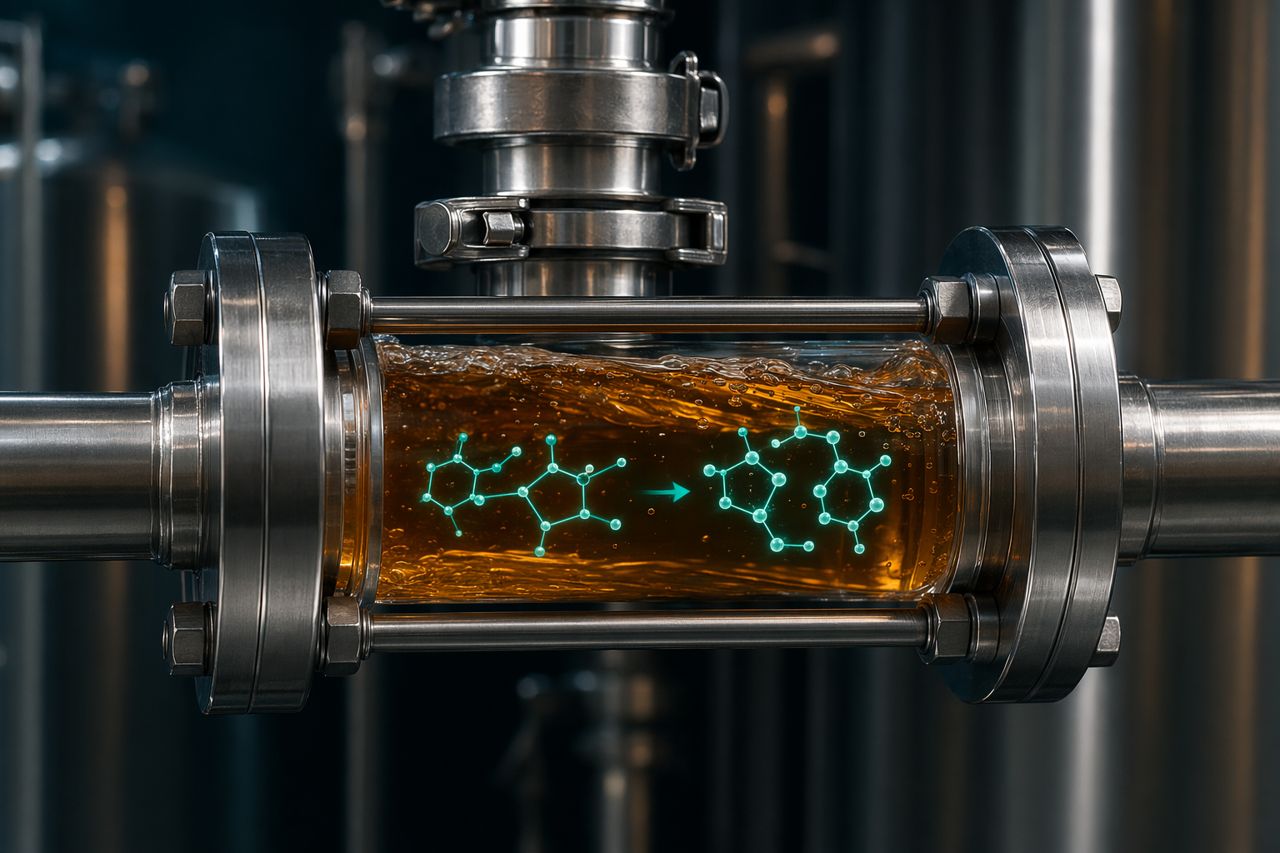
Applications
Enquire
Tell us your application and volume — we reply with pricing and lead time.
We have received your message. We will reply by email.