Maltase Enzyme Solutions · application
Bulk maltase for glucose-syrup and sweetener producers, toll processors and specialty-carbohydrate manufacturers: controlled glucose release from maltose-rich streams, quoted per order.
Request pricingOverview
Maltase helps convert maltose-rich process streams into glucose after upstream starch liquefaction and saccharification. For syrup producers, toll processors, ingredient manufacturers, and specialty carbohydrate teams, it offers a controlled way to push maltose hydrolysis without redesigning the entire starch line.
Maltase Enzyme Solutions supplies maltase in bulk to glucose-syrup and sweetener producers, toll processors, specialty-carbohydrate manufacturers, fermentation plants and the distributors who serve them, for streams where residual maltose needs tighter control. Every order is quoted individually.
Wholesale and bulk maltase for manufacturers, ingredient blenders, distributors and resellers. Every order is quoted individually. Request a quote with your product or application, the quantity you need and the destination country.

In starch sweetener processing, upstream enzymes break starch into a distribution of dextrins, maltose, maltotriose, and glucose. Maltase, also known as alpha-glucosidase or maltose glucohydrolase, targets maltose and releases glucose.
Typical integration points include:
Maltase hydrolyzes maltose into two glucose molecules. In process terms, that can help shift carbohydrate composition, reduce residual maltose, and increase available glucose in a controlled reaction stage.
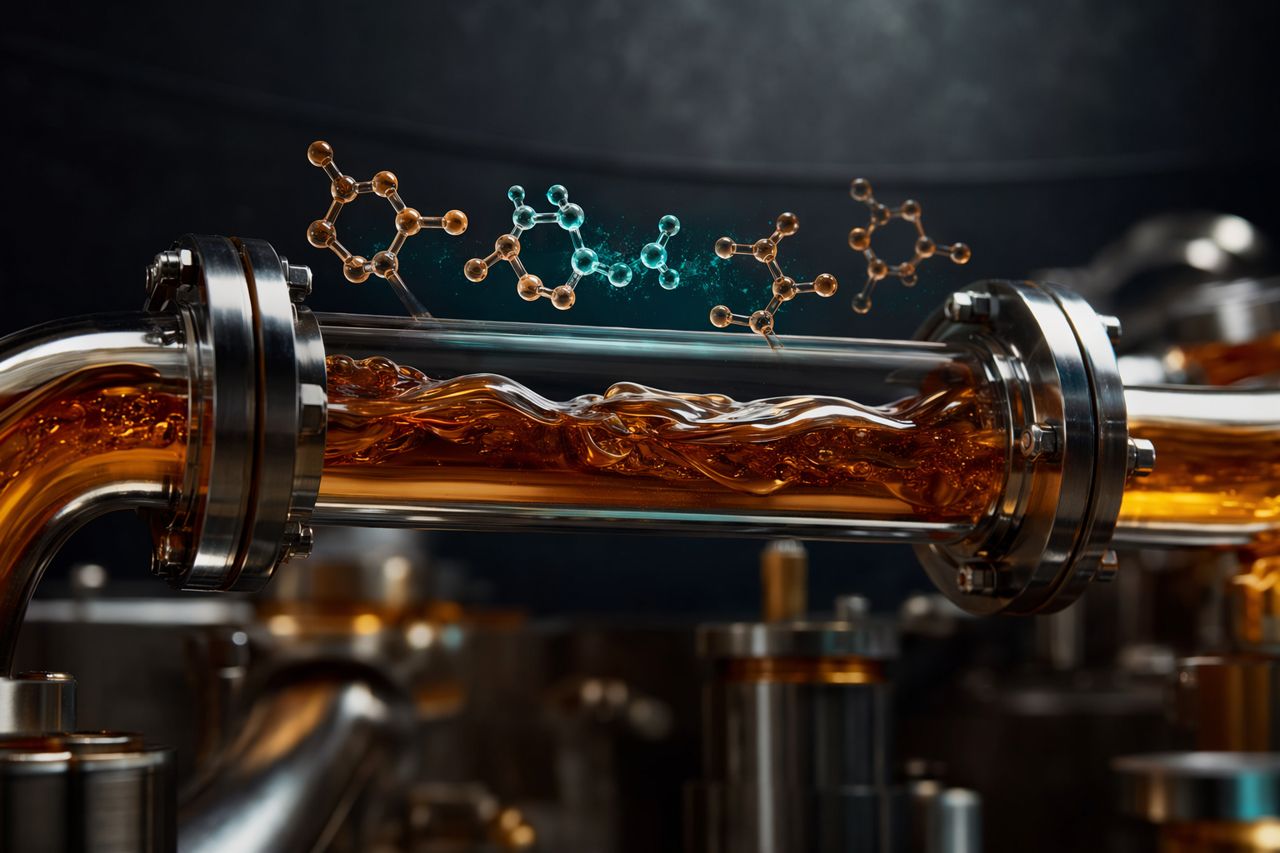
For manufacturers, the value is not simply enzyme addition. The value is conversion control: substrate profile, contact time, solids loading, pH condition, temperature window, mixing quality, and downstream deactivation all affect the final syrup profile.
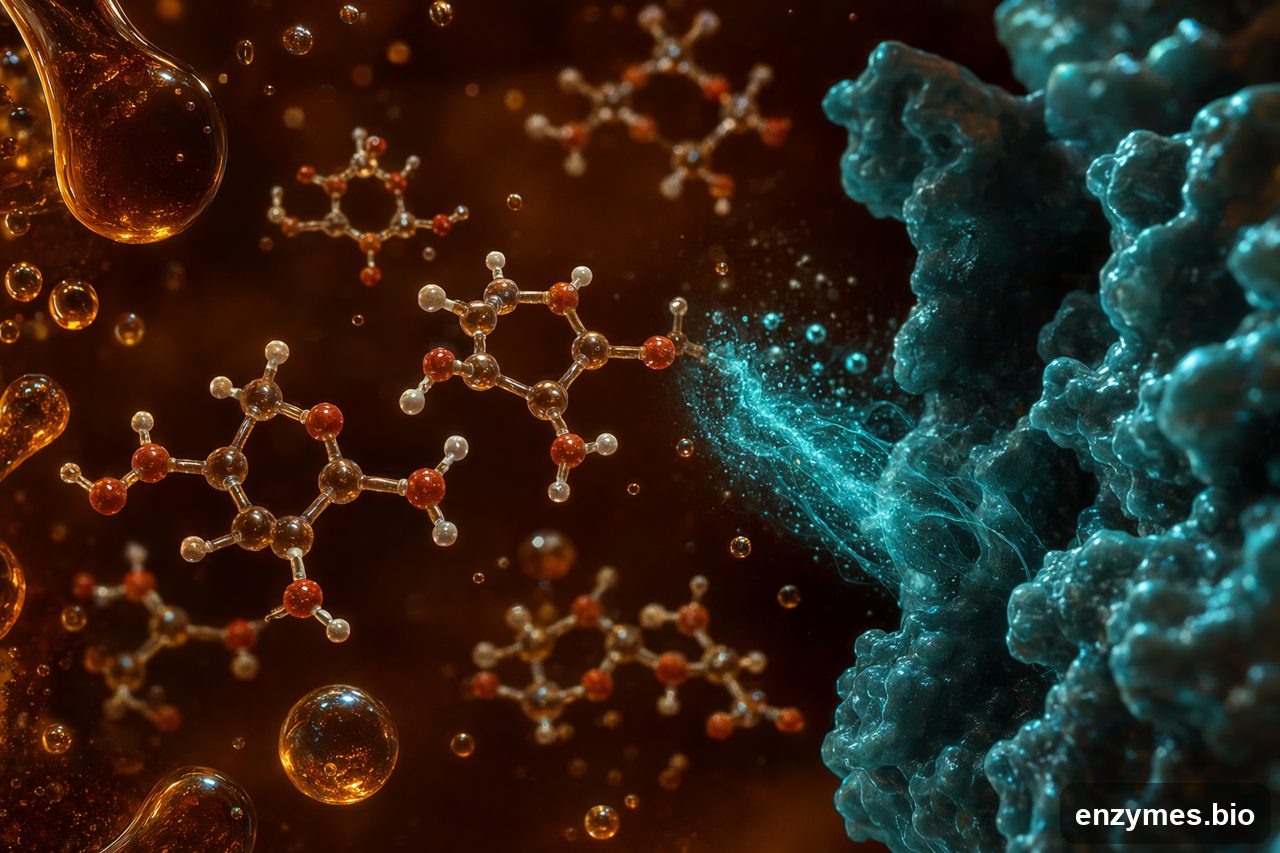
Maltase can support glucose release from maltose-rich intermediate streams when a higher glucose profile is required. It is especially relevant where upstream processing creates a persistent maltose fraction that affects final syrup specification.
Many fermentation platforms benefit from predictable glucose availability. Maltase can help convert maltose into glucose before biological consumption, reducing variability in feed behavior and supporting more consistent substrate planning.
For specialty syrup and ingredient workflows, maltase provides a selective tool for adjusting maltose-to-glucose balance. It can be used as part of a broader enzyme strategy where the target is a specific carbohydrate distribution rather than maximum generalized hydrolysis.
When syrup lots trend outside maltose or glucose targets, maltase may provide a process route for controlled correction, subject to compatibility testing and quality review.
Alpha-glucosidase preparations are sold for two opposite jobs in syrup plants. A hydrolysis grade, the subject of this page, splits maltose into glucose and moves a syrup toward a higher glucose content. Transglucosidase grades are also alpha-glucosidases, but they are sold for the opposite result: they move glucose units onto other sugars to build branched isomalto-oligosaccharide (IMO) syrups. Both can carry the alpha-glucosidase name on an offer. State the syrup profile you need and the reaction you are buying for when you ask for a quote; a grade bought for the wrong reaction moves the syrup in the wrong direction.
Maltase performance should be evaluated against the actual process stream, not only a simplified laboratory substrate. Important review points include:
Maltase Enzyme Solutions can support pilot planning around these variables so R&D, process engineering, and production teams can determine whether maltase fits the required conversion window.
For B2B buyers, enzyme selection must work beyond the bench. Relevant evaluation criteria include:
Maltase Enzyme Solutions positions maltase as a process ingredient for controlled glucose release, not as a generic commodity input. The goal is measurable conversion performance under your plant conditions.
A practical evaluation usually follows four steps:
This approach helps teams avoid overfitting to idealized lab data and instead confirm maltase performance in the real syrup matrix.
Use the inquiry form at the foot of this page with the syrup or stream you treat, the target glucose or residual-maltose profile, the quantity per order or per year, and the destination country. Price, pack and lead time are quoted per order.
Process
Applications
Enquire
Tell us your application and volume — we reply with pricing and lead time.
We have received your message. We will reply by email.